Now that I am home from Afghanistan and the dust has settled, I have decided to come out of hiding for the sake of this blog. I still want to work toward sharing my experience as an army dentist with those out there who are interested in reading.

My year in Afghanistan was long. I deployed as the dentist for an Infantry Brigade Combat Team. My brigade was deployed to a remote and violent part of Afghanistan along the Pakistani border. I was the officer in charge of a small expeditionary dental clinic that supported approximately 8,000 US and Coalition forces throughout our Area of Operations, and I was the only dentist in the AO.  The majority of my time was spent seeing dental patients at my clinic. Over the year I saw approximately 1,300 patients whose problems ranged from infected wisdom teeth to trauma from IED blasts.

My dental clinic was at a larger sized FOB and co-located with a physical therapist, a team of physicians, nurses, and PAs, a preventive medicine officer, and a Forward Surgical Team (FST). As expected, the surgeons handled quite a bit of war-related trauma throughout the year. Since there was no oral and maxillofacial surgery support in all of RC-East, I had the opportunity to go into the operating room to help the surgeons repair some maxillofacial trauma. I remember assisting two of the general surgeons on a neck dissection after a guy took several AK-47 rounds to the head and neck. A bullet went in through neck and came out through his left parotid gland (one of the major salivary glands). They wanted my assistance dissecting and exploring the parotid and its duct into the oral cavity. I also had several opportunities to handle facial lacerations, and even remove shrapnel from a soldiers face after he was wounded by a mortar round.
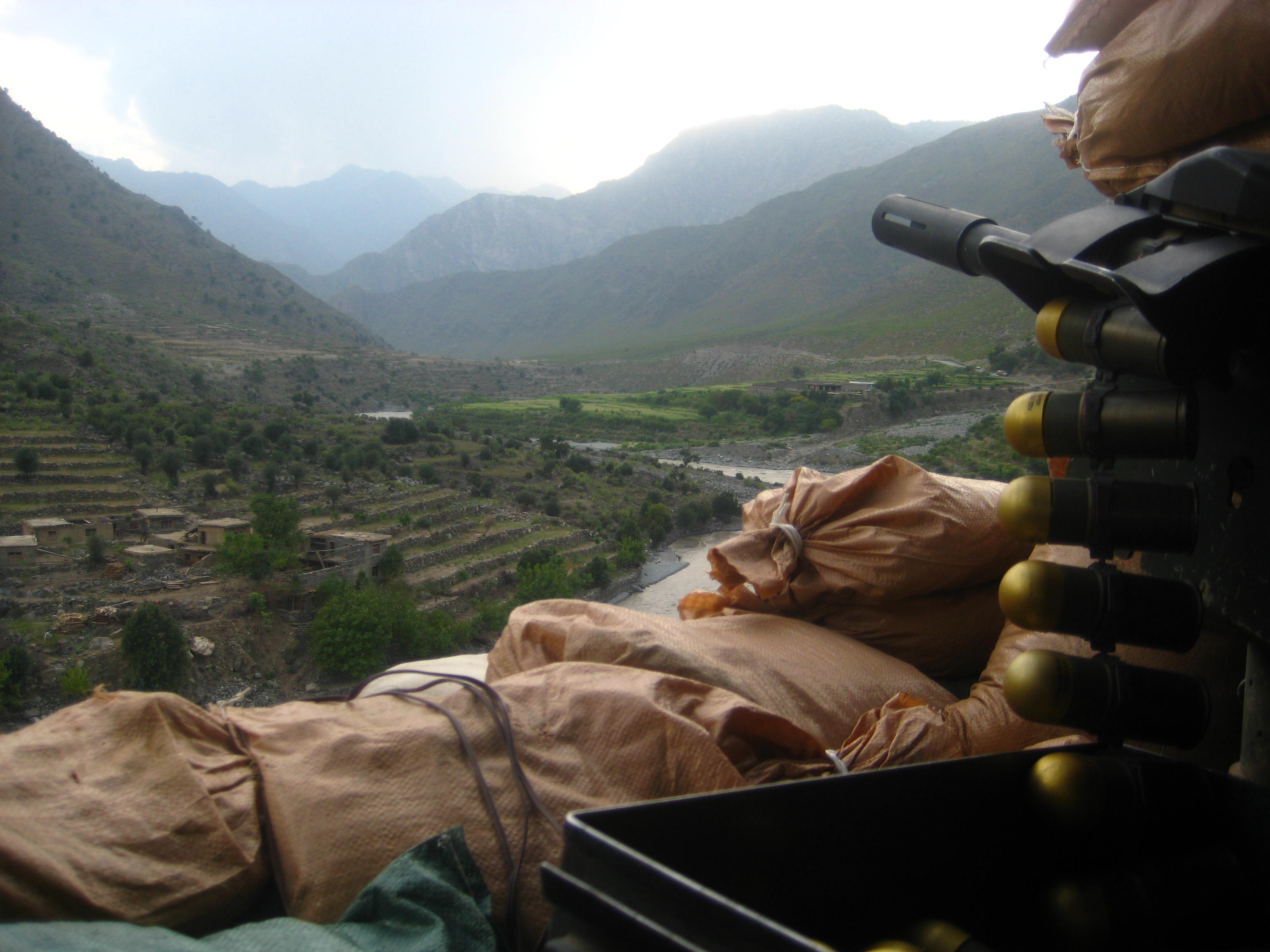
Part of my job as the brigade dentist was to “flex forward” and support our more remote soldiers in more than twenty outposts throughout the mountains and valleys of Nangarhar, Nuristan, Kunar, and Laghman provinces. Throughout the year I traveled on 18 “battlefield circulation” trips throughout this AO. During these missions I would travel forward with my assistant to provide evaluations and preventive care to our most remotely deployed combat soldiers. My assistant and I would fly to some small observation post or outpost up in the mountains for a day or two. While my resources limited me to very basic procedures while on a mission, these trips proved to be a very valued service to the war fighter and much appreciated by their commanders. Life on these small outposts was very different from life back at my larger base. The movie Restrepo did a pretty good job detailing what life is like for these guys out at these small outposts and I would highly suggest it as a primer to what life has been like for the infantry in this war.
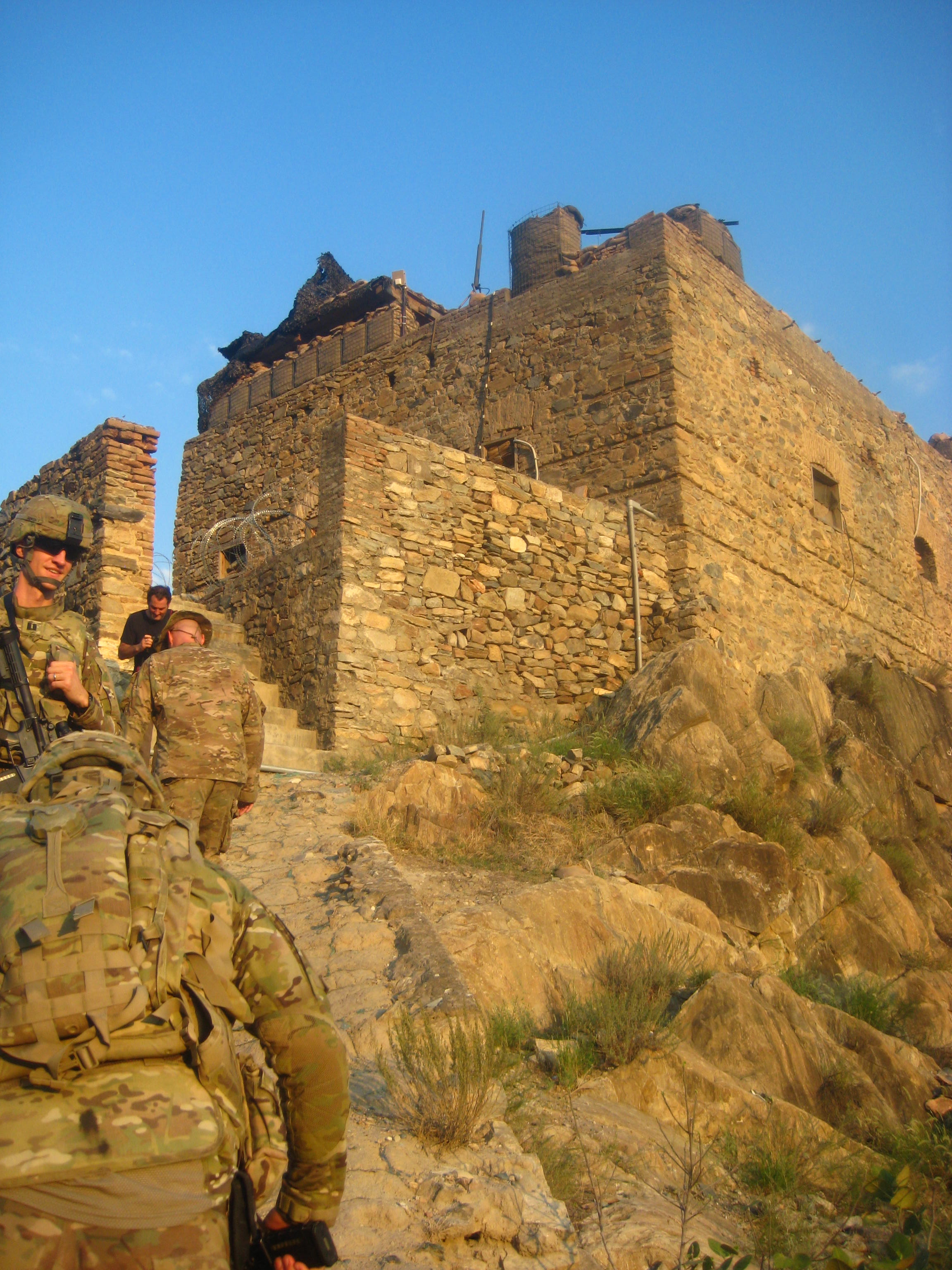
Life on my FOB was pretty good and relatively safe. It made me appreciate the little things we had (like flushing toilets).  Although we got mortared somewhat often during certain months, I never really felt like I was living in a dangerous place. However, towards the end of the deployment  a small group of insurgents did successfully mount a VBIED attack against my FOB that resulted in 9 deaths and approximately 20 wounded Afghan Forces. We took enough casualties that morning that I actually had to act as the triage officer for a short while because all of the physicians and surgeons were busy inside.

Looking back on the deployment I am glad that I was there. I’m proud to have served as an army dentist in a time of war and I am immensely honored to have deployed with an infantry brigade. I witnessed many events and ventured to many places that I will never forget. The deployment was more difficult on me and my family that we had anticipated. The year-long separation was very challenging and stressful on my marriage and my relationship with my young son. I feel we are stronger for it, but I wonder if there will be lingering effects of this separation for some time. The professional isolation was overwhelming at times, but I have no doubt it has made me a better dentist.

While my future in military dentistry is dubious, I hope that I can continue to serve as a reference to any dentist who is deploying with a brigade in the future. I hope this blog continues to serve as a source of information to all those who read it.
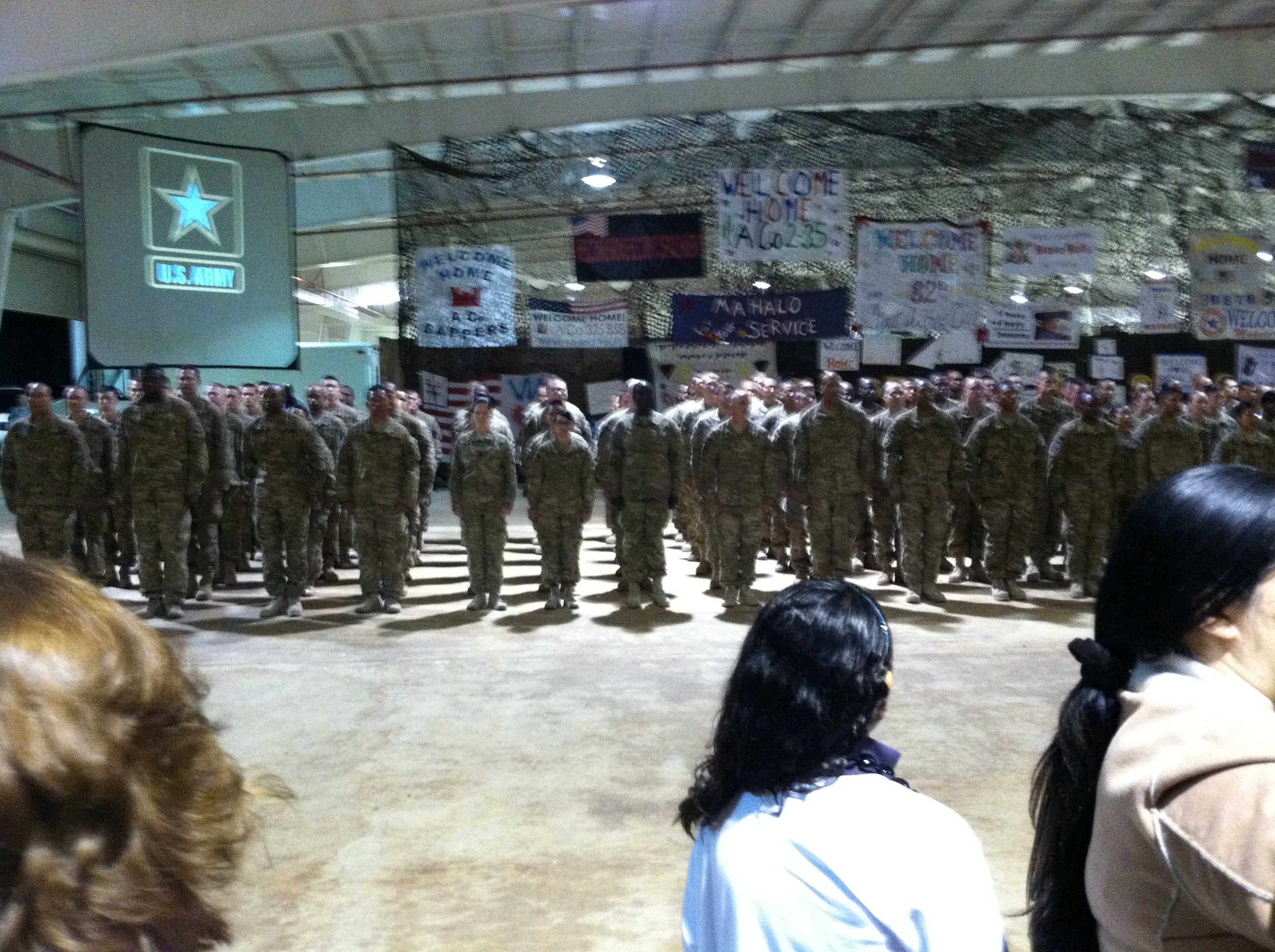
After a very long year in Afghanistan I have safely returned to the United States and my loving wife and son. I have a quite a few experiences to share when I figure out the most appropriate way to do so. For now, I’m simply going to enjoy some time with my family and my last few weeks in Hawaii. I will probably post some more in the next week or two.

Technically not Army Dentistry, but a good read from Tom Ricks Blog on the unique roles of military dentists in taking care of our canine counterparts in the service.

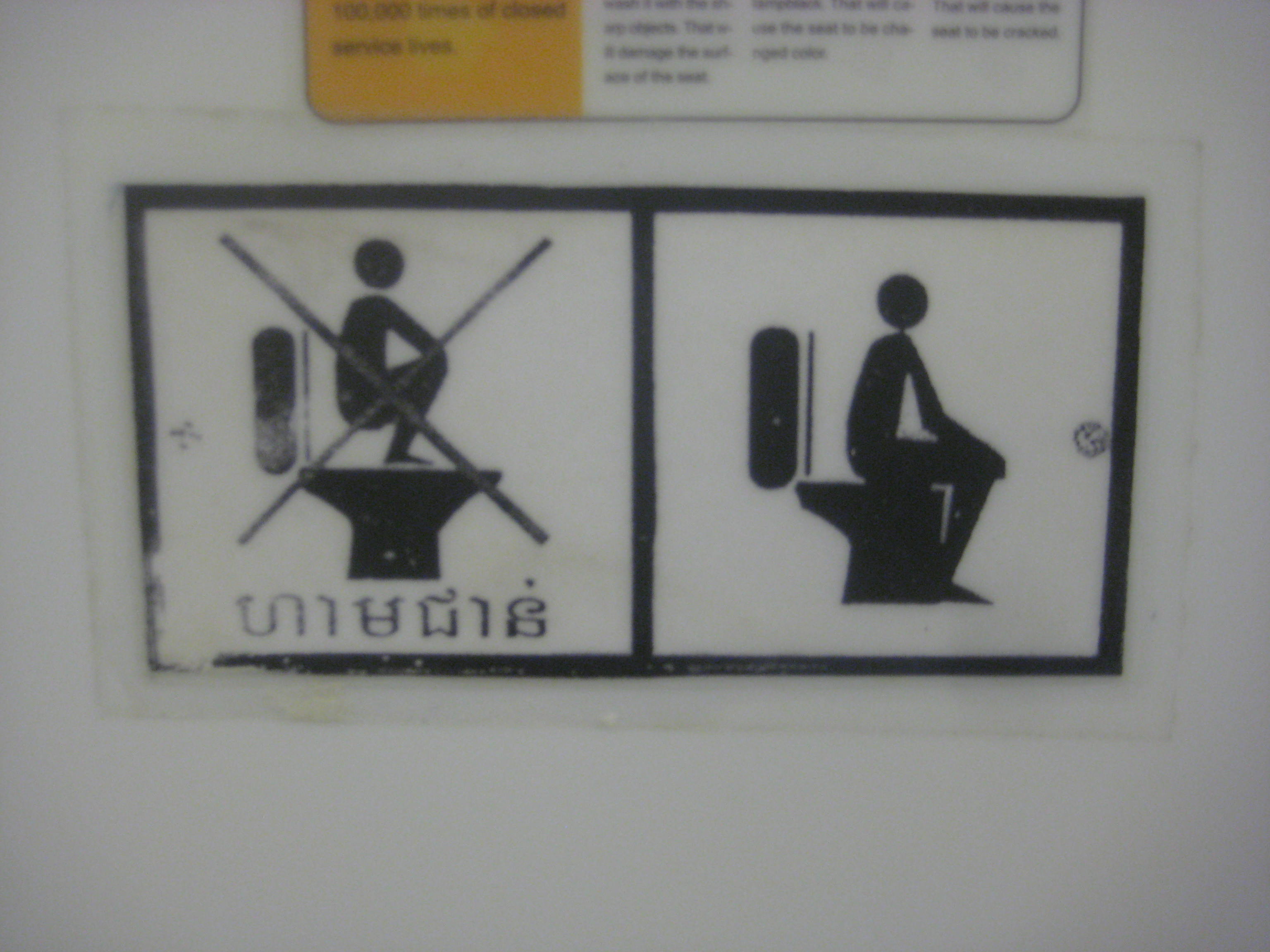
No Squatting For the past year I have had to share toilet facilities with hundreds of other US military personnel as well as a host of Third Country Nationals and Afghans. By now I have pretty much gotten used to the odd hygiene and toilet practices of our non western partners.  I was recently thinking back to when I first arrived in country almost a year ago and was exposed to the oddities of third world defecation for the first time.

I remember seeing signs “Do Not Leave Water Bottles in Here” in all the port-a-johns. Why would people bring water bottles into the port-a-shitter? Probably because there is nowhere to wash their hands. It didnt take long to figure out what was going on.

I had put these odd defecation practices out of my mind until yesterday when I was out on a mission to Laghman Province. I saw the above photo plastered to all the US toilets. I simply had to capture it and share it with America.

My favorite part of sharing toilets with Afghans and TCNs isn’t the un-flushed mounds of feces. It isn’t the piles of brown paper towels that are literally piled into miniature mountains on top of their poo. My absolute favorite part is the muddy footprints that they leave on the toilet seat after squatting on the john. It really accentuates the polarity between our cultures.

For more information on pooping in Afghanistan, please check out Tom Ricks blog here.

I haven’t written much in a while. I’m still here in Afghanistan. Still living in a 8×8 plywood room. Why haven’t I written? Because pretty much every day is the same. Every once in a while there are spurts of excitement but for the most part the winter isn’t the fighting season.

Last week I watched the movie Office Space and couldn’t help but see the similarities between the main character Peter Gibbons’ life and life on a FOB in Afghanistan. There was a scene in which Peter was in therapy because he hates his job. The conversation went something like this:

Peter: “So I was sitting in my cubicle today and I realized that ever since I started working, every day of my life has been worse than the day before it. So that means that every single day that you see me, that’s on the worst day of my life.”

Therapist: “What about today? Is today the worst day of your life?”

Peter: “Yeah.”

Therapist: “That’s messed up.”

That scene pretty much sums up my life right about now. Being here for this damn long is really messing with my head. I’m moody. I’m angry. I lose my patience quickly. I get frustrated over the littlest things. Why the hell can’t I get any sunflower seeds? (Damn you Pakistan!) Every day seems worse than the day before.

I wake up every morning pissed off. I’m angry at myself. I’m angry at the people around me. I’m angry at the Army. It is mostly misdirected anger and it usually subsides after morning sick call. But it is no way to start the day.

My only consolation is my amazingly upbeat wife who reassures me that This Too Shall Pass and that once I return to America my life will improve. She’s probably right. She has to be right. Right?

I still love what I do. I absolutely love being a dentist. I even enjoy being in the Army. I’m just tired of being at work 24/7 I guess. I miss my family. I’m ready to come home.

There is not a lot in Afghanistan to remind us that today is a holiday. I’m sure the dining facility will make some special meal that will make most realize today is Thanksgiving, but for most it will be the only reminder of what today is. For the majority of deployed military personnel, myself included, today is just Thursday and there is plenty of work to do.

So before I head over to the Battalion Aid Station for the day I thought I would take few minutes to think about and share what I’m thankful for this Thanksgiving.

Despite the fact that I am nowhere near the shores of my home country I am profoundly thankful to be an American citizen. Everyday I see the contrast between countries like Afghanistan and the USA quite distinctly. Today I will make sure I remember where I am and think about just what makes my home amazing.

I am thankful for being alive. All limbs intact. All my blood in my veins.

I’m thankful for having a job. On top of that I am thankful to be a member of a profession that I love and that provides a good life for my family. I’m also thankful for the job security that being in the military affords.

I am thankful for my family. For my beautiful wife and son who I am so far away from. And also for the extended family I have who has stepped up to the challenge of taking care of them while I am gone. For that I am eternally grateful and indebted.

And then there are the small things. The things that we as Americans take for granted every day. The things that despite my current situation, I still have. I’m thankful for indoor plumbing, health and healthcare, hot food and hot showers, the coffee I’m drinking as I write this, the internet, my plywood room, safety….

All of these things are distinct to the fact that I am an American citizen. I spent my life taking for granted the small things (and the big things) simply because they were plentiful in my land. It took this deployment to Afghanistan to remind me that the majority of the world does not have even the simplest of comforts that even the poorest of Americans have access to.

So I hope all those back in the Land of the Free take a moment today to give thanks for something. Despite your situation you are still an American and you still have it better and are safer than so many in this world.

Happy Thanksgiving America.

Now I have to go to work…

I recently returned from R&R from Afghanistan. I took leave at roughly the halfway mark instead of at Christmas as originally planned. It was a good decision as I don’t think I could have waited much longer.

“R&R” is military-speak for Rest and Recuperation Leave. The Army gives 15 days of non chargeable leave for all those deployed for greater than 9 months. For those who were here during the 15 month deployment days, they got 18 days of leave. Those who are only here six months don’t get R&R. The Army is the only service that routinely deploys service members for a year. As such, 95% of those going on R&R are Army.

The Army will pay for a round trip ticket to anywhere in the world you want. All you do is say where you want to go and they give you the itinerary – as long as your paperwork is in order. Your leave doesn’t go into effect until the day after you arrive at your final destination so altogether it takes you out of the game for almost a month. It is a pretty generous program.

Getting home took several days, but was not as big of a hassle as people make it out to be. I left Jalalabad around 2300 on a Thursday for a quick flight on a C-130 up to Bagram Air Field (BAF). There we received some middle of the night briefings on where we would be staying (tents), where the dining facility was (by our tents), what to do with all our gear (carry it with you), what we had to do tomorrow (turn in weapons), and when we needed to show back up to try to get a flight to Kuwait (early tomorrow morning).

The R&R tents at BAF were in pretty rough shape. No showers, port-a-potty’s only. That tent is a public health outbreak waiting to happen. On top of that, they put the male R&R tent right next to a set of really nice barracks for the guys living at BAF.  You could see the steam coming out of their indoor bathrooms in the morning.  The Pat Tillman USO however is pretty classy – a nice western style building with free wi-fi, free coffee and snacks. It was a nice clean place to hang out while waiting for a flight. After almost 24 hours in BAF, I boarded a C-17 for the flight out of Afghanistan.

It took about 4 hours to get to Kuwait. We landed at  Ali Al-Salem Air Base, an old Kuwaiti Air Base that looked like it had taken a punishing back in Desert Storm. After that it was an hour bus ride to Army Life Support Area, Kuwait. Kuwait was much nicer than Bagram, Afghanistan. They had showers, actual toilets, and clean tents to stay in. I spent one night there then boarded a contract civilian aircraft for a flight back to the states. We had one stop in Ireland in the middle of the night to refuel and stretch our legs. After that it was on to Atlanta and then off to my final destination. There were no awkward welcome celebrations in Atlanta, no cheering crowds, no firetrucks showering the “Freedom Flights” like people said there would be. Just a simple briefing and that was it.

Seeing my wife and son again for the first time in six months was amazing. My son had grown so much since I left. Now he was using real words, running at full speed, and could actually answer questions and  follow simple instructions. He was a little leery at first, but I could tell he remembered me. My wife was more beautiful than I remembered. The time at home was great and I was surprised how quickly I forgot about Afghanistan and how rapidly I adapted to civilian life. It was a much, much needed break. I needed the downtime to re-asses my priorities in life and do some serious thinking about where I am headed.

Looking back on the first half of this deployment I can see how I have changed as a person. The past six months in Afghanistan have left a mark on me (I’m not sure if it’s a stain or a scar, but either way its permanent).  Although I feel like the same person I definitely look at life, the Army, and dentistry a little differently. I have seen some things and places I never thought I would ever see as a dentist. I am more skeptical and less trusting in others -even those in uniform- than I was before I came here. I have learned some very important lessons in humanity and the human condition. I almost forgot how awesome America is. We are not a people or a nation without flaws, but we are still the best country in the world. After seeing the life of the average Afghani, I have nothing to complain about. I’m an American citizen. As are my wife and son. That means a lot more to me now.

So I’m halfway there. I was happy to be home but a small part of me was excited to return to Afghanistan. I’m ready to finish the job, return home for good, and put this behind me. R&R was awesome but I dreaded having to say goodbye again.

***UPDATE***

I’m back in Afghanistan. Seven Months down. Five to go. Saying goodbye to my wife and son was harder than I expected. A six month PROFIS deployment to a place with a bunch of other dentists seems like a good deal now. A year is just too long to be this professionally isolated. I say that fully understanding that for most soldiers 12 months downrange followed by 15-24 months at home-station has been the norm for years. But for a dentist six months is just about right. In six months you don’t lose too many clinical skills. Trying to do quality dentistry in a sub-standard “Expeditionary” Dental Clinic for a year is really stressful. Now I’m starting to worry about my professional skills when I get back. I haven’t prepped a crown in over a year. I haven’t completed a root canal in 8 months or so. My back is really beginning to bother me because my dental chair here doesn’t recline properly so I have to lean over too much. I’m starting to do things I would have never thought of doing in garrison because when you have seven sick call patients, a broken chair, a failing suction system, an aching back, and no one to help out, you start thinking: “You’re all alone buddy. Find a way.”

This next five months or so is going to be challenging. Am I even going to be a good dentist anymore after this? I hope its like riding a bicycle and that when I’m back in garrison, all my skills will come back naturally. I hope I will remember more than I have forgotten.

More importantly, I hope I don’t forget all the lessons I have learned out here. It is easy to forget the bad when you get back to the good.

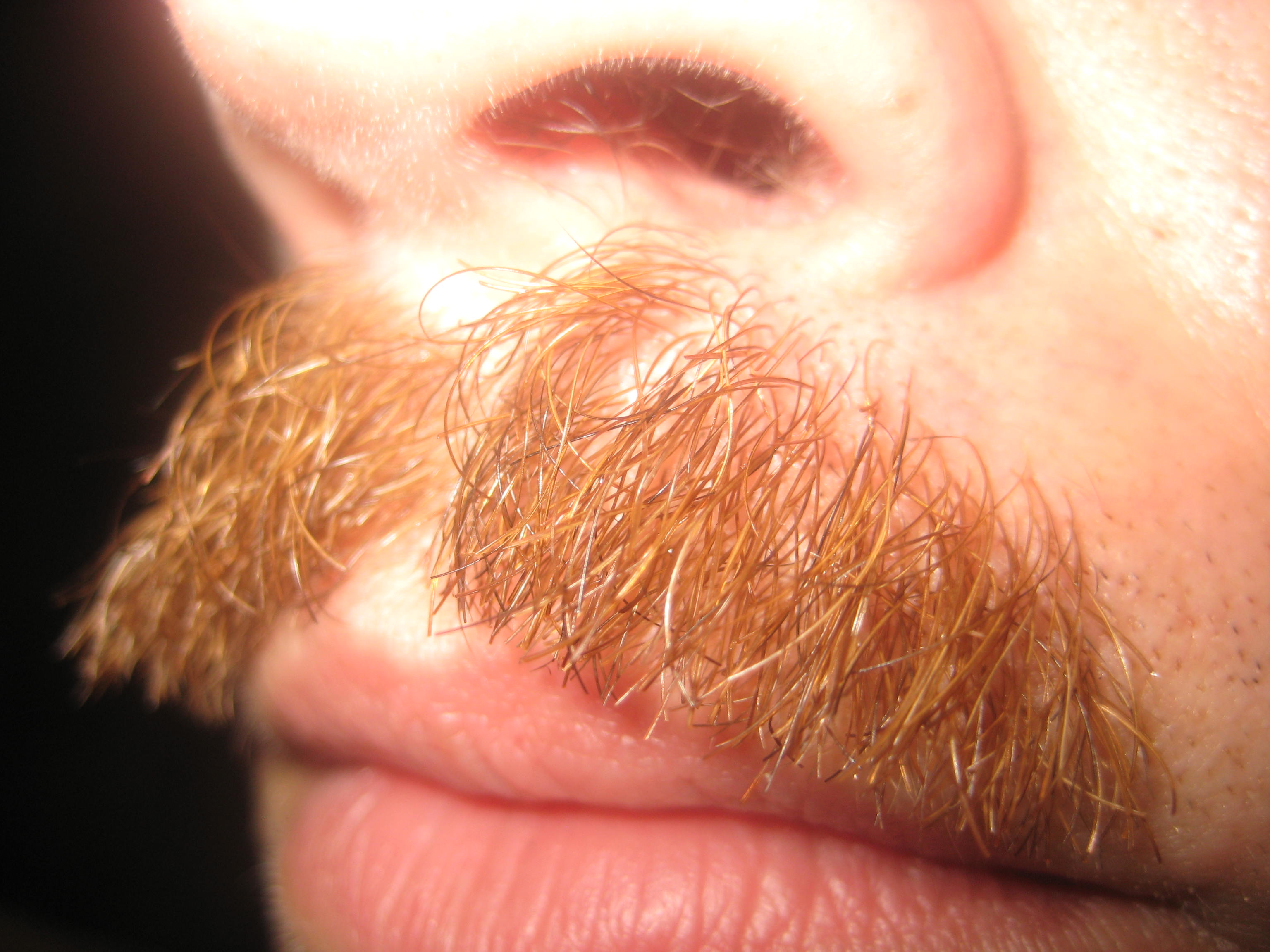
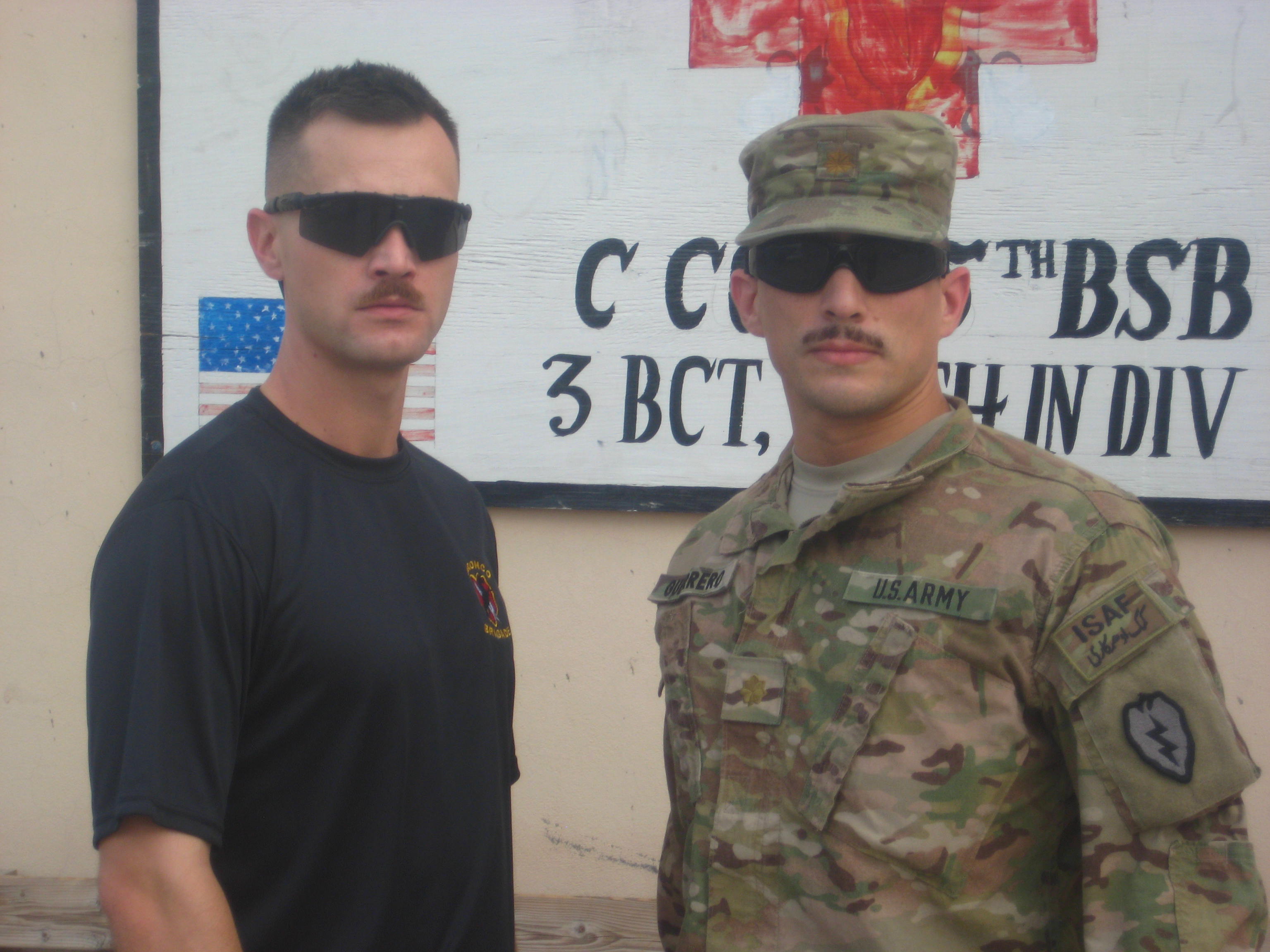
Back in June my buddies and I decided to spice up life at JAF by growing mustaches. Combat Staches if you will. Our mission was simple, but dangerous: To grown the most combat effective lip sweaters allowable within regulation 670-1. We had no idea how far this would go.

It started out small. Me and about three other guys in the clinic just stopped shaving our upper lips. After a few days the sprouts were visible and growing. A week later we all had acceptable staches. A few days later and the male medics in our Aid Station started growing them too. Then the orthopedic surgeon in the FST. Then the veterinarian. When it was all said and done, the Aid Station looked like a scene from a movie from the 1970s.

The fallout was pretty minimal. We were all prepared to be accosted by a whole host of First Sergeants demanding to know what we thought we were doing. As a precaution, we began carrying a copy of the regulation in our pockets “just in case.” Suprisingly, no one said anything disparaging about them. That’s not entirely true. No one officially reprimanded us for growing them. A lot of individuals in our brigade made disparaging comments about our appearance daily. I just got used to it, but the pressure was too much for some.

Our physical therapist lasted a week. The medics didn’t last much longer. The preventive medicine officer held on for a good month but punched out after he started skyping his wife and son more often. The surgeon and the veterinarian held on until the forward surgical team re-deployed. After almost three months, it was down to me and our battalion surgeon.

It was just the two of us. Isolated from society, we continued mission undeterred. End of Mission occurred the day before I left on R&R. Sadly it was me who decided to bail out. I had originally intended to proudly wear this new accoutrement home but after discussing it with my wife, I realized it was in my best interest to have it completely removed before I got there.

It was a sad day in the aid station. It was time for it to go. We gathered the last few surviving members of the mustache clan and videotaped its farewell. Goodbye old friend. Until we meet again…

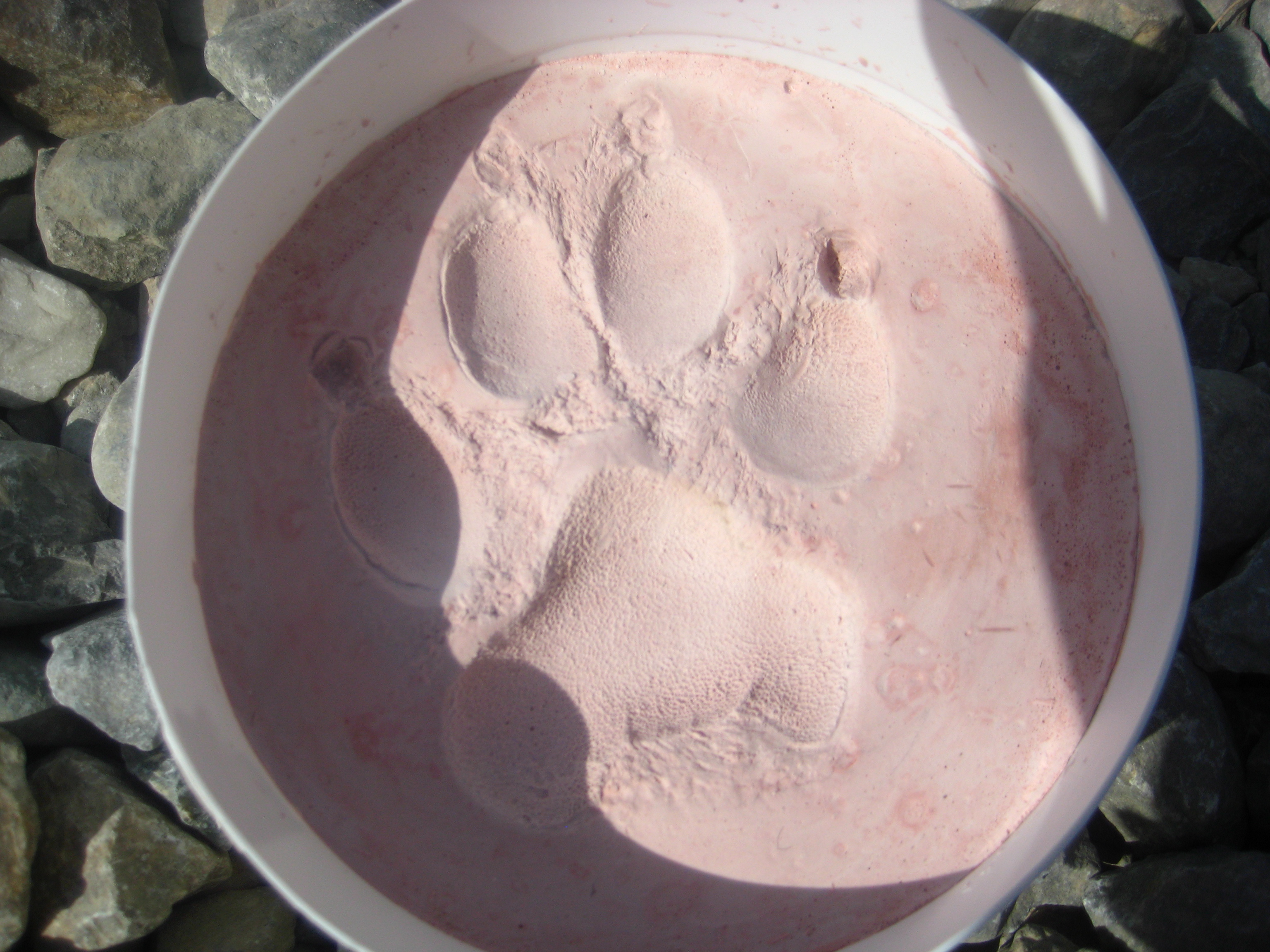
I was just wrapping up the day in my clinic when my tech came to me and said “Sir the vet wants you to come over. A military working dog just died.” For a second I was confused. I thought he may ask me to do some sort of post-mortem dental identification or something. “They want you to take a paw print to give to the handler” he added.

We grabbed a couple of bags of stone powder, a mixing bowl, and a spatula and headed over to the veterinary clinic. The veterinarian and I exchanged introductions and he told me what happened. Apparently a military working dog had been brought in by his handler in pretty bad shape. The temperatures here are up in the 110 range and this dog had succumbed to extreme heat injuries.

My techs and I, along with the help of the veterinarian tech and the orthopedic surgeon (who just so happened to be there) mixed up some dental stone and made an impression of the animal’s left front paw. They wanted to give the handler a memento to remember his partner by. The young Sergeant was apparently very shook up. To him this dog was his partner, his battle buddy. His battle buddy had just died.

What impressed me the most was when the mortuary affairs team showed up. They said they were here for the “hero.” I was confused. “Hero” is the code word we use when talking about a fallen service member. What were these guys talking about? They were talking about this military working dog.

Canine or not, this dog was a US service member. When a dog goes down, we treat it the same as if he was a fallen soldier. These animals are given the same level of respect as anyone else who serves their country in this war. After we finished with the remains, the mortuary affairs team took the working dog down to the mortuary affairs facility for processing – the same as if it was a soldier.

Whether or not one agrees with elevating dogs to the same level as humans in life or death, you have to appreciate the respect our military pays to all those who serve. My condolences go out to the handler and the rest of their team. This dog was apparently a huge part of who they are and will be sorely missed.

So recently I have been asking myself “What can I do to improve the oral health of our soldiers while we are on this deployment?” I’m the only dentist in the AO so making weekly trips to the smaller FOBs to set up a field dental clinic is difficult and my pamphlet on “Taking Care of Your Teeth While Deployed” turned out to be too difficult to have printed and distributed in mass quantities like I had hoped.

I thought back to what I saw after the brigade got back from their last deployment. Although I was not with them on the last deployment, I was involved in a lot of their redeployment exams after their year in Iraq. The biggest issue I saw was, without a doubt, rampant decay. Big cavities.

“What could I do to prevent deployed soldiers from getting so many cavities?” I asked myself. My brain replied: “FLUORIDE VARNISH!” The evidence is there to support its use, its easy to apply, I can train my two dental tech’s to apply it, and I have boxes of the stuff. Although in the US, 5% Sodium Fluoride varnish is only approved to be marketed “for the treatment of dentin hypersensitivity associated with the exposure of root surfaces or as a cavity varnish,” it has been proven to be effective in treating high caries risk populations when applied every 3-6 months.

So I decided to start a Fluoride Varnish Clinic. Starting next week, every weekday from 1530-1630 any soldier can walk into the clinic, get an oral cancer screening and have fluoride applied to their teeth. I contacted the FOB mayor to put it out in his next newsletter and I plan on putting up some posters around the FOB as well. I hope soldiers take advantage of this. This also gives me something really effective to do when I make my little trips around the AO. I’m actually really excited about this. I think that if I can get this varnish on to a significant number of soldiers teeth then I may be able to decrease the incidence of decay for our patient population.

The photos include here are from a patient of mine from when I was an AEGD resident. The soldier had been on back-to-back deployments for several years and was just then getting to a point where he could get his teeth fixed. The top photo is before treatment, the bottom being after caries control and restorative therapy. Hygiene was still an issue, but at least he could smile in public.